
Understanding the Most Common Retirement Regrets and How to Avoid Them
Retirement should be a time of confidence and clarity not second-guessing past decisions.
Yet many retirees report experiencing Retirement Regrets and How to Avoid Them becomes a common theme in financial conversations.
While no plan is perfect, learning from the most common retirement missteps may help reduce future stress and improve long-term outcomes.
Understanding Retirement Regrets and How to Avoid Them can help pre-retirees and retirees build a more thoughtful and proactive plan.
1. Claiming Social Security Too Early
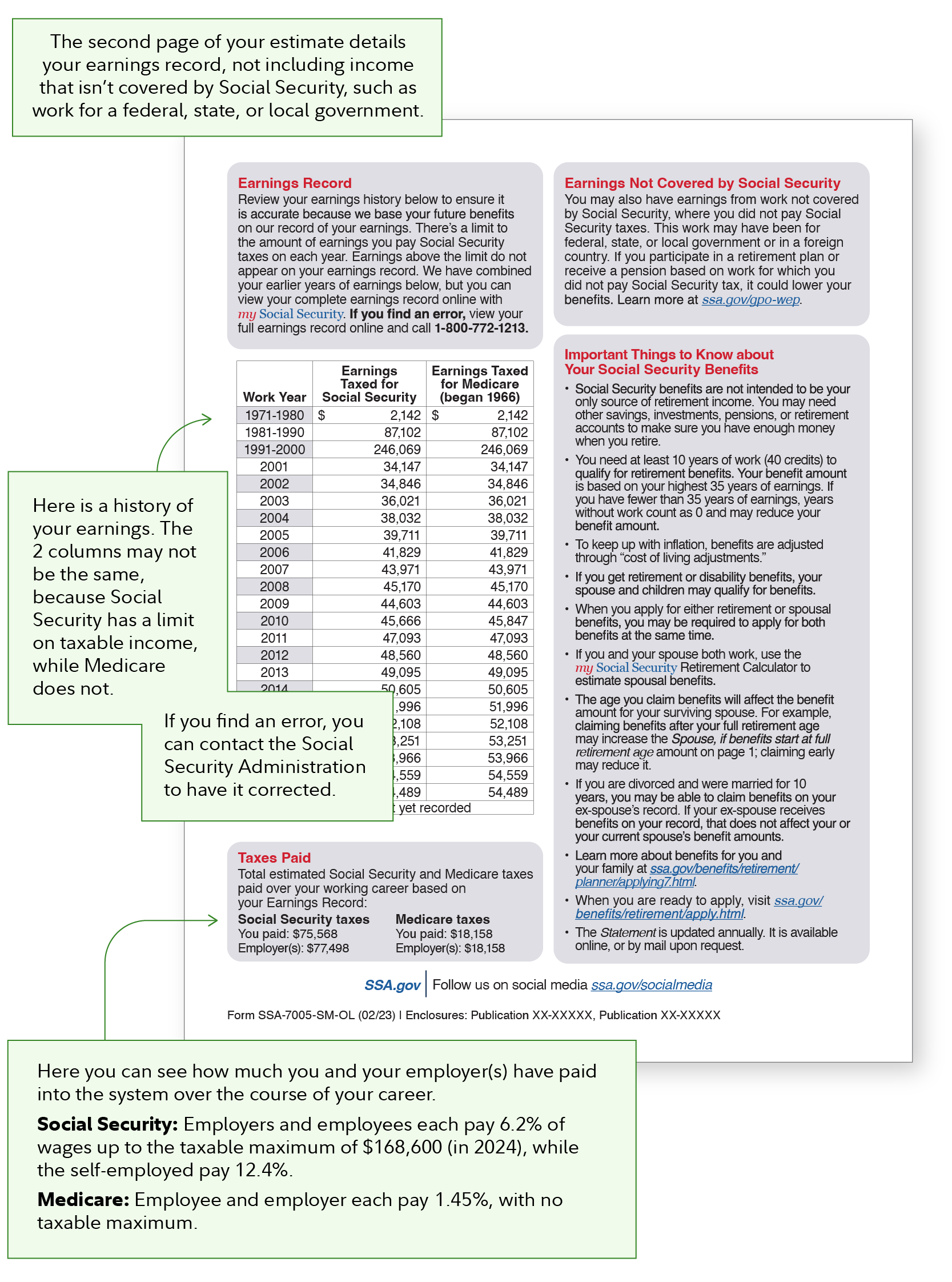
One of the most cited retirement regrets involves claiming Social Security earlier than necessary.
According to the Social Security Administration, claiming benefits before full retirement age permanently reduces monthly payments. Delaying benefits increases them through delayed retirement credits (up to age 70).
For retirees who live into their 80s or beyond, early claiming can result in lower lifetime income.
Understanding Retirement Regrets and How to Avoid Them includes evaluating Social Security timing carefully. Deciding when to take Social Security can significantly impact lifetime income.
2. Underestimating Healthcare Costs
Healthcare expenses often increase with age.
The Centers for Medicare & Medicaid Services reports continued growth in national healthcare expenditures over time.
Common regrets include:
-
Not budgeting adequately for Medicare premiums
-
Failing to plan for supplemental coverage
-
Ignoring long-term care considerations
Planning for healthcare is a central part of Retirement Regrets and How to Avoid Them.
3. Ignoring Inflation
Inflation can quietly erode purchasing power.
The U.S. Bureau of Labor Statistics tracks inflation through the Consumer Price Index (CPI), which fluctuates over time.
Retirees who rely too heavily on fixed income sources without growth exposure may struggle to keep pace with rising costs.
Addressing inflation risk early is essential when considering Retirement Regrets and How to Avoid Them.
4. Being Too Conservative Too Soon
Many retirees reduce risk significantly at retirement. Having a plan for distributions becomes increasingly more important for those in or entering retirement. For those who get too conservative too quickly, they end up in fixed income investments, and those investments often have a hard time keeping up with inflation.
While risk management is important, being overly conservative may:
-
Limit portfolio growth
-
Reduce income sustainability
-
Increase longevity risk
The U.S. Securities and Exchange Commission emphasizes the importance of diversification and appropriate asset allocation.
Balancing safety and growth is a key component of Retirement Regrets and How to Avoid Them.
5. Failing to Plan for Taxes
Another major regret is underestimating taxes in retirement.
Common issues include:
-
Large Required Minimum Distributions (RMDs)
-
Increased Medicare premiums (IRMAA)
-
Social Security taxation
The Internal Revenue Service outlines RMD requirements and tax rules for retirement accounts.
Proactive tax planning can significantly reduce future regret. Many regrets stem from avoidable tax planning mistakes retirees should avoid.
6. Not Having a Written Plan
Many retirees rely on informal strategies rather than a structured plan.
A written retirement income plan can:
-
Clarify withdrawal strategies
-
Outline tax management
-
Address healthcare and longevity risks
-
Provide confidence during market volatility
Planning ahead is the foundation of Retirement Regrets and How to Avoid Them. Conducting an Annual Financial Review Checklist for Retirees helps minimize long-term regret.
The Bigger Lesson
Most retirement regrets are not about market performance.
They are about:
-
Timing decisions
-
Lack of planning
-
Missed tax opportunities
-
Failure to review annually
Regular reviews, coordinated tax planning, and income strategy discussions can help retirees move forward with greater confidence.
Every retirement strategy should be reviewed with a financial professional and tax advisor to determine suitability.
Sources
Social Security Administration. (2024). Retirement benefits planner. https://www.ssa.gov
Centers for Medicare & Medicaid Services. (2024). National health expenditure data. https://www.cms.gov
U.S. Bureau of Labor Statistics. (2024). Consumer Price Index. https://www.bls.gov
U.S. Securities and Exchange Commission. (2024). Saving and investing basics. https://www.sec.gov
Internal Revenue Service. (2024). Retirement plans FAQs. https://www.irs.gov