
How Inflation and Retirement Planning Work Together to Protect Your Income
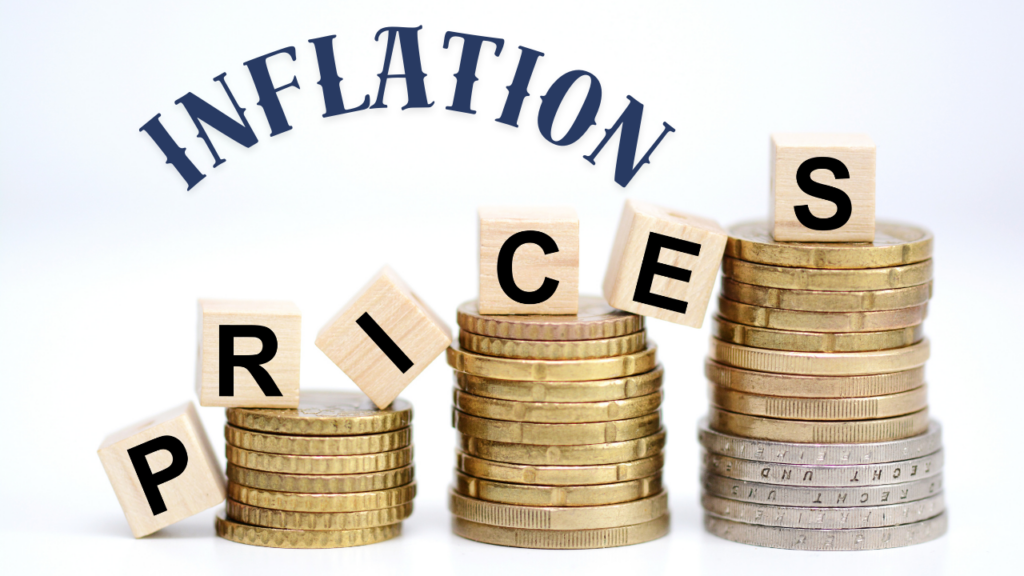
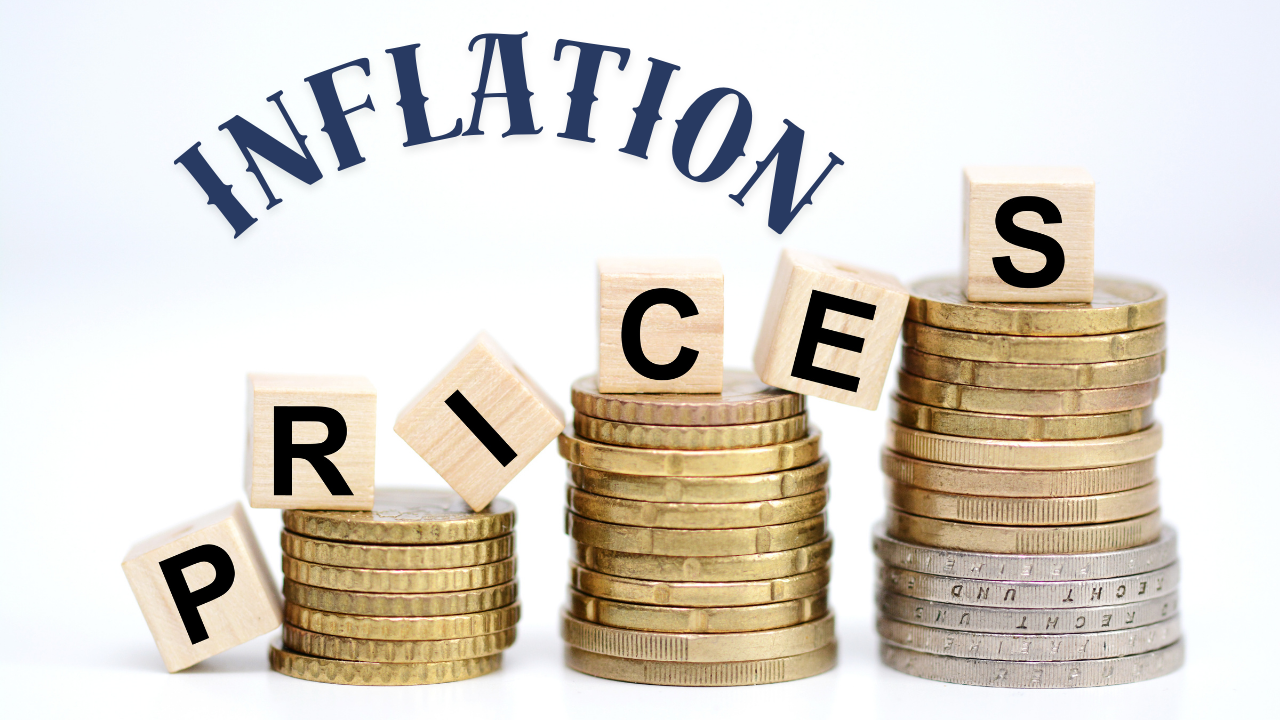
One of the most important and often underestimated risks retirees face is Inflation and Retirement.
Even modest inflation can quietly erode purchasing power over time. When you’re living on a fixed income, rising costs for healthcare, housing, groceries, and utilities can significantly impact your lifestyle. Inflation also influences your Safe Withdrawal Rate in Retirement, as higher spending requires higher portfolio withdrawals.
Understanding how Inflation and Retirement interact is critical when building a sustainable income strategy.
Why Inflation and Retirement Planning Matter

Inflation refers to the gradual increase in prices over time.
According to the U.S. Bureau of Labor Statistics, inflation is measured by the Consumer Price Index (CPI), which tracks changes in prices for goods and services.
While inflation rates fluctuate, even a 3% annual increase can reduce purchasing power by nearly half over 25 years.
That means $60,000 of annual spending today may require significantly more in future decades.
The Hidden Risk of Inflation and Retirement
Retirement income often includes:
-
Social Security
-
Pensions
-
Investment withdrawals
- Bank Accounts (CDs, Checking, Savings)
Some sources, like Social Security, include cost-of-living adjustments (COLA).
The Social Security Administration provides annual COLA increases based on inflation data. Early market losses combined with rising costs can magnify Sequence of Returns Risk in Retirement.
However:
-
Not all pensions adjust for inflation
-
Portfolio withdrawals may need to increase over time
-
Healthcare expenses may rise faster than general inflation
This is why Inflation and Retirement planning requires long-term strategy.
How Inflation Affects Retirement Portfolios
If retirees withdraw a fixed dollar amount each year without adjusting for inflation, purchasing power declines.
If withdrawals increase to match inflation, the portfolio must grow enough to support rising distributions.
This creates pressure on investment strategy and withdrawal planning.
Historically, equities have outpaced inflation over long time horizons, though market returns are not guaranteed.
(Source: U.S. Securities and Exchange Commission, 2024)
Strategies to Address Inflation and Retirement Risk
1. Maintain Growth Exposure
While retirees often reduce risk, maintaining some equity exposure may help offset long-term inflation.
2. Use Inflation-Adjusted Income Sources
Social Security benefits are adjusted annually based on inflation.
(Source: SSA, 2024)
3. Diversify Income Streams
Combining:
-
Social Security
-
Investment withdrawals
-
Tax-efficient strategies
-
Potential annuity income
may help manage both inflation and market risks.
4. Plan for Healthcare Inflation
Healthcare costs often rise faster than overall inflation.
According to the Centers for Medicare & Medicaid Services, healthcare spending trends continue to increase over time.
Factoring this into projections is essential.
Why Inflation and Retirement Planning Require Flexibility
Inflation is unpredictable. Including inflation reviews in your Annual Financial Review Checklist for Retirees ensures spending remains sustainable.
Some years may see modest increases. Other years may see sharp spikes.
A retirement plan built on flexibility — rather than fixed assumptions — may better withstand changing economic environments.
Regular reviews and stress testing can help ensure long-term sustainability.
Every strategy should be reviewed with a financial professional and tax advisor to determine suitability.
Sources
U.S. Bureau of Labor Statistics. (2024). Consumer Price Index. https://www.bls.gov
Social Security Administration. (2024). Cost-of-living adjustments. https://www.ssa.gov
U.S. Securities and Exchange Commission. (2024). Saving and investing basics. https://www.sec.gov
Centers for Medicare & Medicaid Services. (2024). National health expenditure data. https://www.cms.gov