
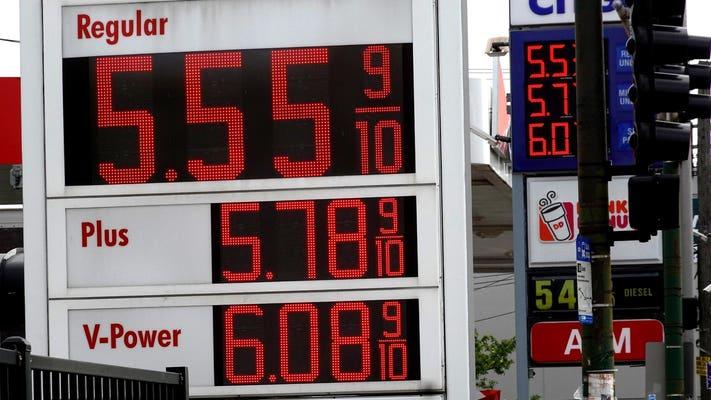
How Oil Prices and the Iran War Influence Inflation Expectations
When oil prices rise, inflation expectations often rise with them.
This is because energy affects nearly every part of the economy.
Higher oil prices can increase costs for:
- Transportation
- Manufacturing
- Shipping
- Airlines
- Agriculture
- Consumer goods
When businesses face higher operating costs, those expenses are often passed along to consumers through higher prices.
This is why the relationship between the Iran War and Oil Prices can extend far beyond the gas pump.
Why the Federal Reserve Watches Oil Closely
The Federal Reserve closely monitors inflation expectations because they influence consumer behavior, borrowing costs, and interest rate policy.
If oil prices spike sharply:
- Investors may expect higher inflation
- Bond yields may rise
- Consumers may reduce discretionary spending
- Markets may anticipate tighter monetary policy
Even temporary oil price increases can affect market sentiment because investors worry inflation could remain elevated longer than expected.
Inflation Expectations Often Matter More Than Oil Itself
In many cases, markets react less to the actual price of oil and more to what rising oil prices may signal about future inflation.
For example:
- Persistent inflation may delay interest rate cuts
- Higher rates can pressure stock valuations
- Borrowing costs may remain elevated
- Economic growth expectations may slow
This is why geopolitical tensions involving Iran sometimes create volatility in both energy markets and equities simultaneously.
Why Long-Term Investors Should Keep Perspective
Historically, oil spikes tied to geopolitical events have often been temporary.
Markets eventually refocus on:
- Corporate earnings
- Economic growth
- Interest rates
- Productivity
- Consumer demand
While inflation expectations may rise in the short term during geopolitical conflict, long-term investment outcomes are typically driven more by economic fundamentals than by temporary oil shocks.
Understanding this relationship can help investors avoid emotional reactions during periods of geopolitical uncertainty.
See how inflation affects your bottom line in retirement.