
Adjusted Gross Income (AGI): The Most Important Number on Your Tax Return
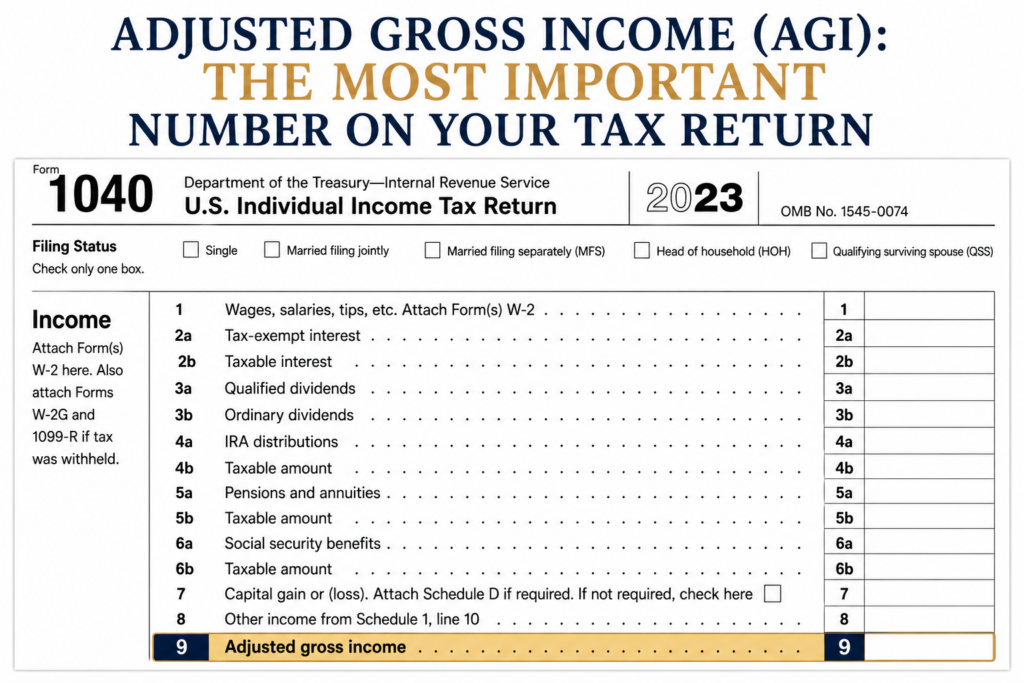
Learn why Adjusted Gross Income (AGI) is one of the most important numbers on your tax return and how it can affect Medicare premiums, Social Security taxes, tax credits, and retirement planning.
Form 1040 Line 6a vs. Line 6b: Why Some Retirees Pay Tax on Social Security
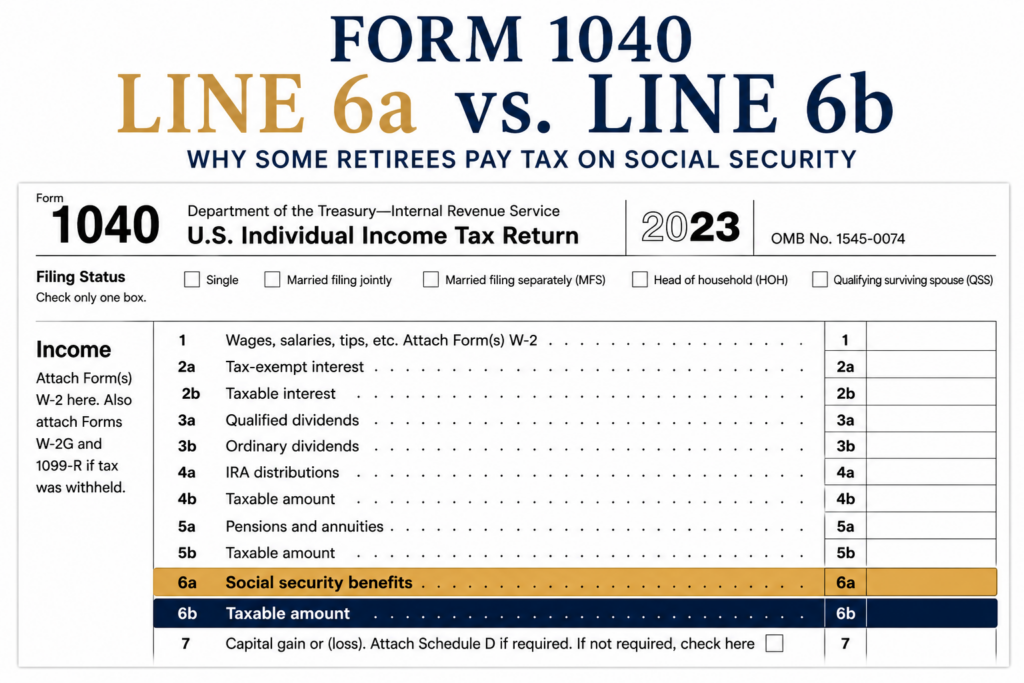
Learn the difference between Form 1040 Line 6a and Line 6b, why some Social Security benefits are taxable, and strategies that may help reduce taxes in retirement.
Form 1040 Line 4a vs. Line 4b: What Every Retiree Should Know About IRA Withdrawals
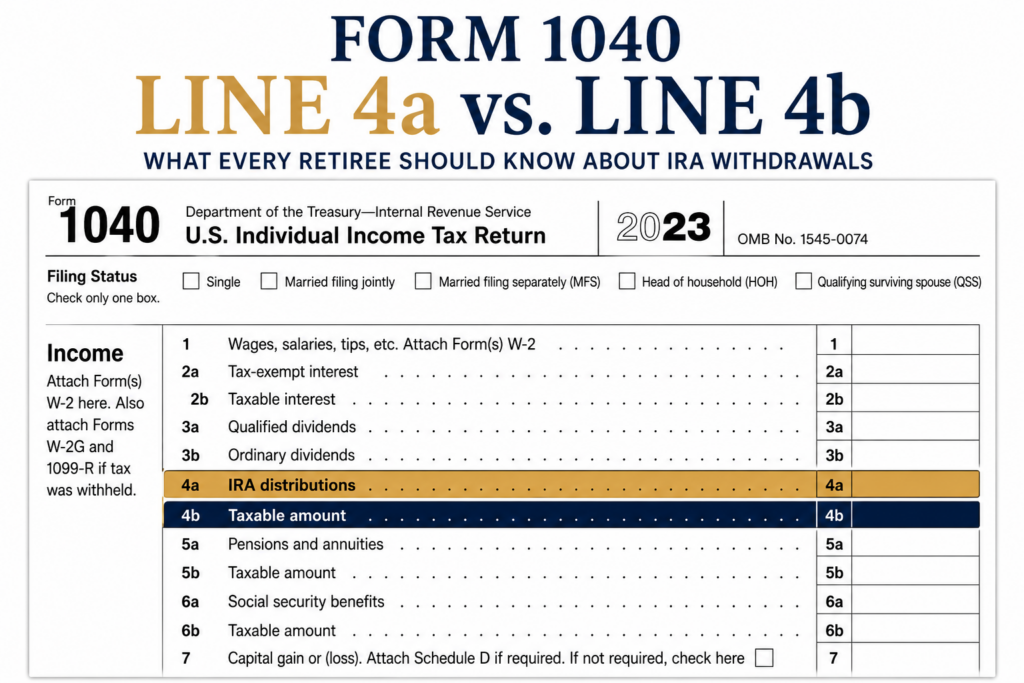
Learn what Form 1040 Line 4a and Line 4b mean, why they matter for retirees, and how Roth conversions, rollovers, and IRA withdrawals affect your taxes.
Qualified Charitable Distributions (QCDs): One of Retirement’s Most Overlooked Tax Strategies
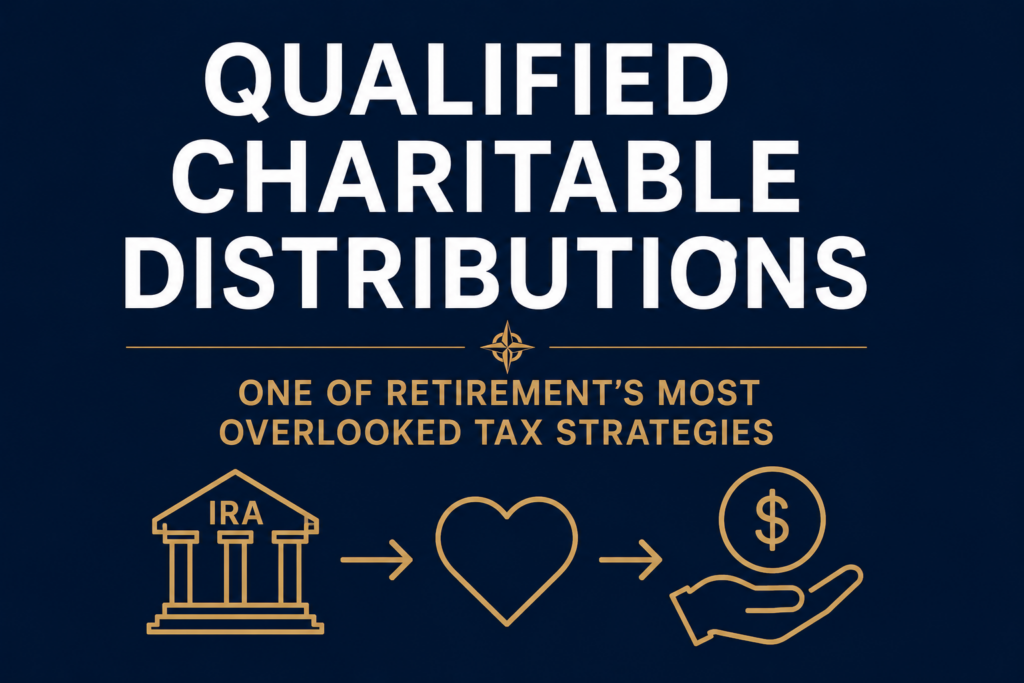
Learn how Qualified Charitable Distributions (QCDs) may help satisfy Required Minimum Distributions while reducing taxable income and supporting your favorite charities.
Inherited IRA Rules: What Beneficiaries Need to Know About the 10-Year Rule

Learn how inherited IRA rules, annual distributions, the 10-year rule, and beneficiary status may affect your taxes and withdrawal strategy.
Net Unrealized Appreciation (NUA): A Little-Known Tax Strategy for Company Stock in Your 401(k)
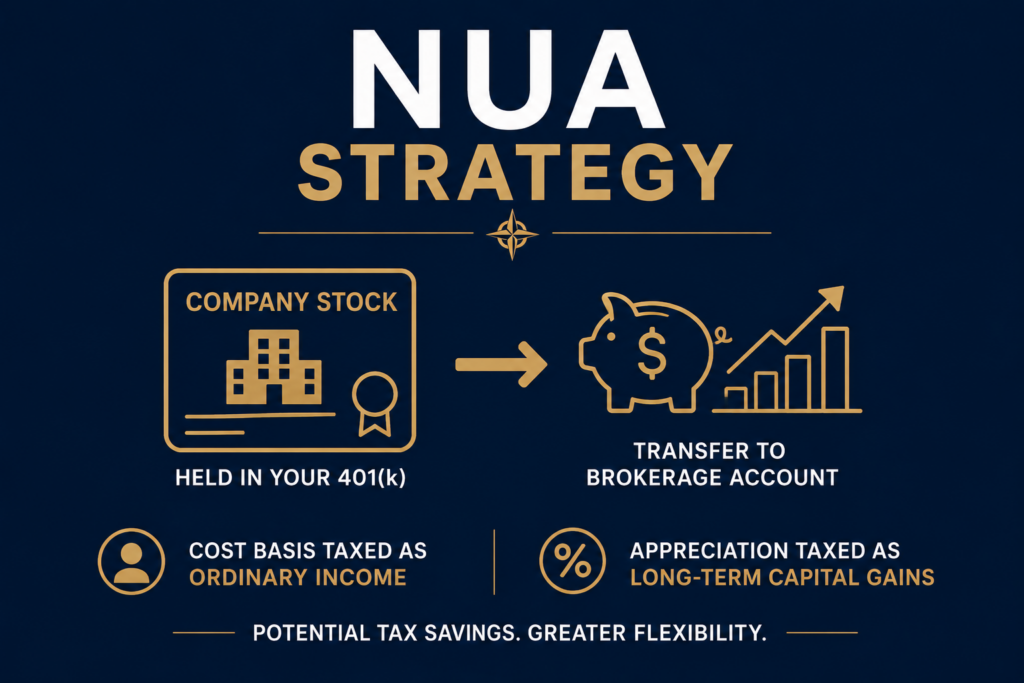
Learn how the Net Unrealized Appreciation (NUA) strategy may reduce taxes on appreciated company stock held in a 401(k) and whether it could fit your retirement plan.
Tax Diversification: Why Having Different Types of Retirement Accounts Matters
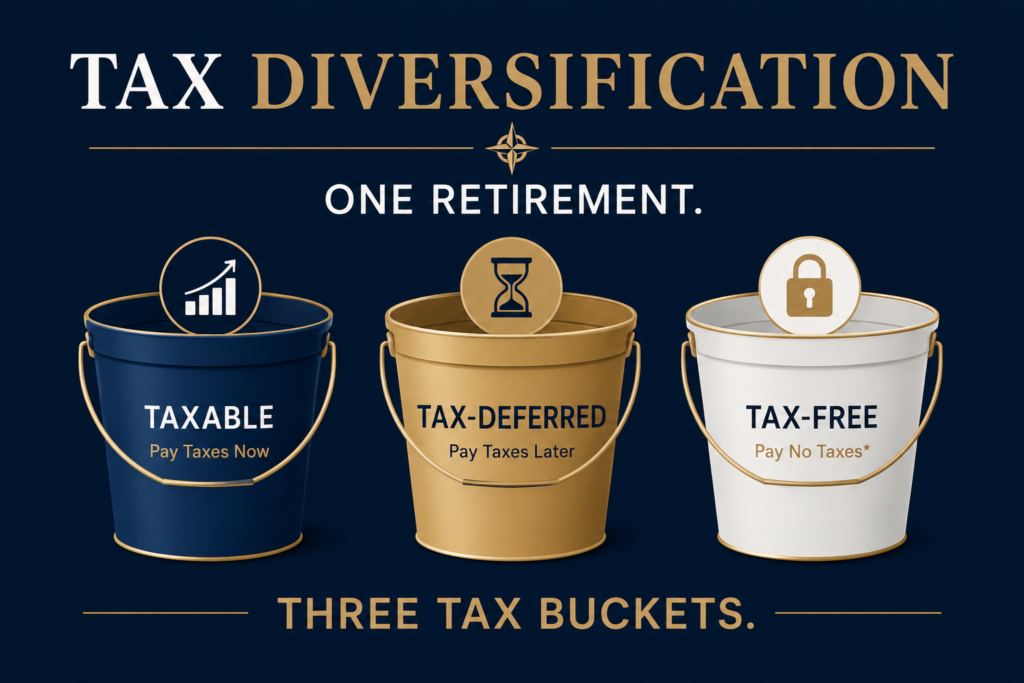
Learn why tax diversification is an important retirement planning strategy and how different account types may provide greater flexibility and reduce lifetime taxes.
Capital Gains in Retirement: How to Sell Investments Without Paying More Tax Than Necessary
Learn how capital gains are taxed in retirement, strategies to manage gains, and how thoughtful planning may help reduce lifetime taxes.
Should You Take IRA Withdrawals Before Required Minimum Distributions Begin?
Learn why taking IRA withdrawals before Required Minimum Distributions (RMDs) begin may reduce lifetime taxes and create greater retirement income flexibility.
The Retirement Tax Gap: Why Your CPA and Financial Advisor Should Work Together
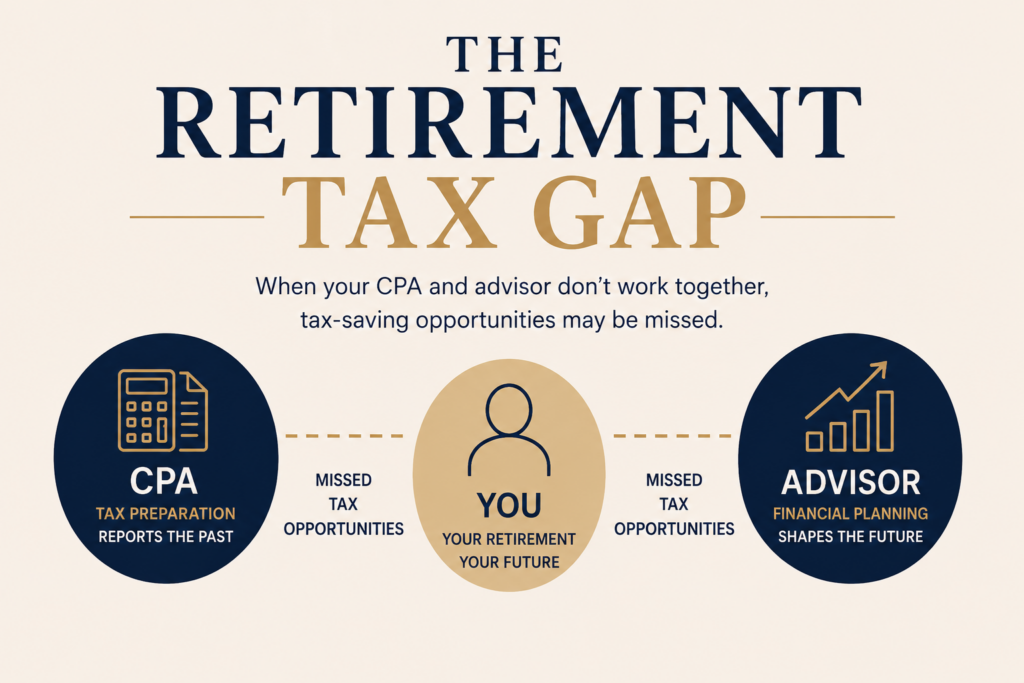
Learn why coordinating your CPA and financial advisor may help uncover tax-saving opportunities and create a more tax-efficient retirement strategy.